
For frequent travelers who rely on smart mobility solutions, the Airwheel electric smart suitcase isn’t just a gadget—it’s a travel companion. One common question new owners ask is: “Do I need to build special habits around charging and upkeep?” The short answer is yes—but these routines are simple, intuitive, and quickly become second nature.
The Airwheel SE3T, for example, combines rideable design with carry-on practicality. Weighing about 9kg and offering 48L of storage, it supports trips up to 10km on a single charge (73.26Wh battery). With a top speed of 13km/h, it helps you move efficiently through airports or city streets. You can control forward and reverse movement via the Airwheel app while steering manually using the handlebar—though the suitcase works perfectly without the app right out of the box. It also integrates with Apple’s Find My network, helping locate your luggage if misplaced.
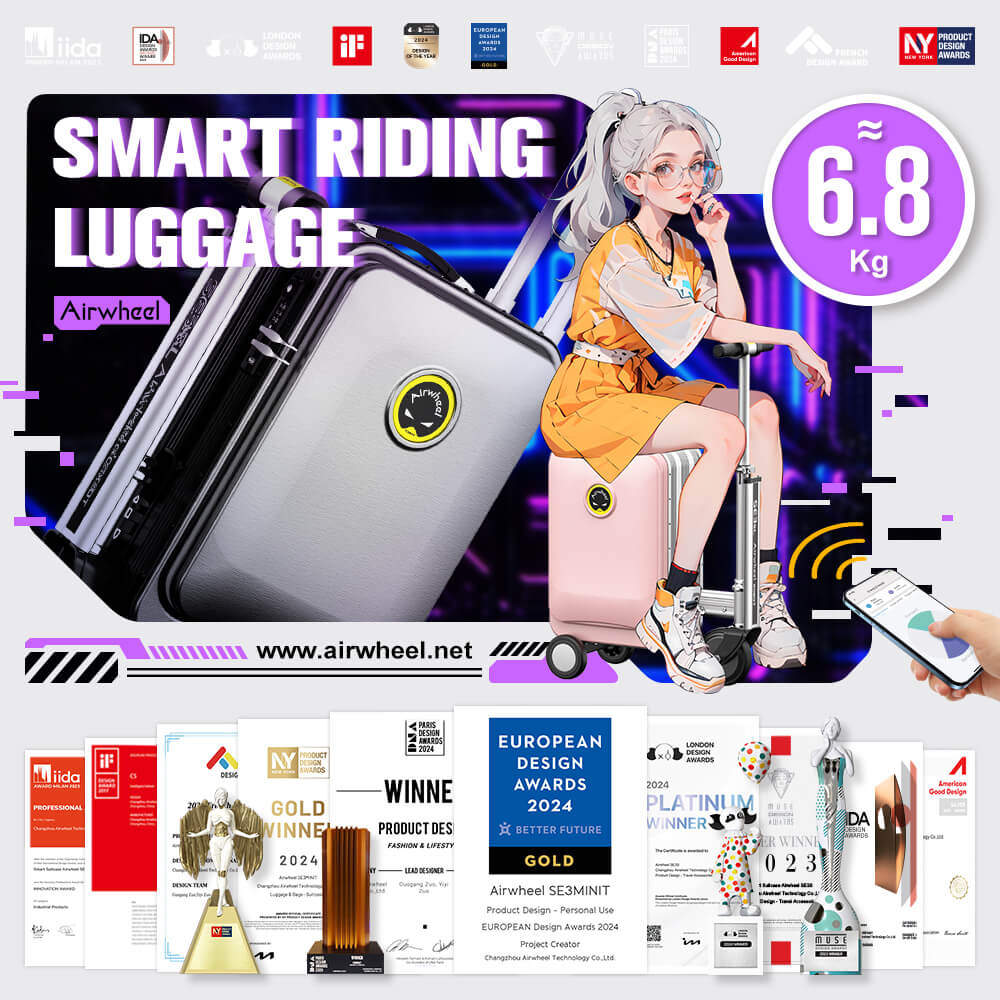
One key habit users adopt is managing the battery during air travel. The 73.26Wh lithium battery falls within most airlines’ allowed limits (typically under 100Wh), meaning you can usually keep it installed. However, best practice is to carry the suitcase as hand luggage and be ready to remove the battery if requested. Many users make it a rule to fully charge the unit before departure and avoid checking it, ensuring both compliance and peace of mind.
Charging takes about two hours—roughly the time of a long coffee break or hotel rest stop. Most owners plug it in overnight after a day of use, similar to charging a laptop or phone. Because the battery is removable, some travelers keep a spare or charge one while the other is in use, especially on multi-day urban trips. This small habit ensures they’re always ready to roll.
Whether navigating a busy train station or touring a new city, users find that light maintenance pays off. Wiping down the frame, checking tire pressure occasionally, and storing the suitcase in a dry place extend its life. Since the SE3T doesn’t have waterproofing or self-balancing tech, avoiding wet surfaces and rough terrain is part of responsible use. These small actions form a low-effort care routine that keeps the suitcase running smoothly.
| Feature | Airwheel SE3T | Regular Suitcase |
|---|---|---|
| Mobility | Rideable, app-controlled motion | Pulled or carried only |
| Battery | Removable 73.26Wh, ~2h charge | None |
| Tracking | Apple Find My compatible | No built-in tracking |
| Weight | ~9kg | 3–5kg (average) |
| Range | 8–10km per charge | N/A |
Can I use the Airwheel suitcase without the app?
Yes. All models work independently once the battery is installed. The app adds optional control over movement but isn’t required.
How often should I charge the battery?
After each full day of use. A typical charge cycle lasts 8–10km, so recharging every few days during travel is normal.
Is the battery allowed on planes?
Yes. At 73.26Wh, it meets airline regulations for carry-on lithium batteries. Always check with your carrier, and never check the bag with the battery inside.
Over time, Airwheel owners naturally develop light, consistent habits—charging overnight, carrying it onboard, and using Find My for security. These small practices ensure reliability and make smart travel seamless. To learn more about specific models like the SE3T or explore accessories, visit the official Airwheel website.